When an industrial electrical panel starts showing its age, facility managers face a costly assumption: that the only fix is a full replacement. In many cases, that assumption is wrong, and an unnecessarily expensive one. An electrical panel retrofit, upgrading specific components while retaining the existing enclosure and infrastructure, can restore performance at a fraction of replacement cost, provided the underlying structure is still sound.
The challenge is knowing which situation you are in. Below are five signs that point toward retrofit rather than full replacement, along with the cases where replacement genuinely is the safer call.
1. The Panel Enclosure and Busbars Are Structurally Sound
Before evaluating anything else, check the physical condition of the enclosure and internal busbar system. If there is no corrosion, no heat discolouration, and no physical damage to the frame, the core structure can typically support new internal components. Panels built with quality steel enclosures and adequately rated busbars often outlast the electronics and switchgear installed inside them by a decade or more.
If, however, you see rust penetrating the enclosure walls, cracked insulation, or scorch marks near connection points, this signals deeper deterioration that a retrofit cannot safely address, and replacement becomes the responsible choice.
2. Your Protection Devices Are Obsolete or Discontinued
Circuit breakers and relays have service lifespans, and manufacturers eventually discontinue older models. If your maintenance team struggles to source replacement parts for tripped breakers, or if lead times for spares have stretched from days to months, this is a clear retrofit trigger. Swapping in modern, readily available protection devices within the existing panel frame restores serviceability without touching the enclosure or wiring backbone.
3. The System Lacks Modern Monitoring and Automation
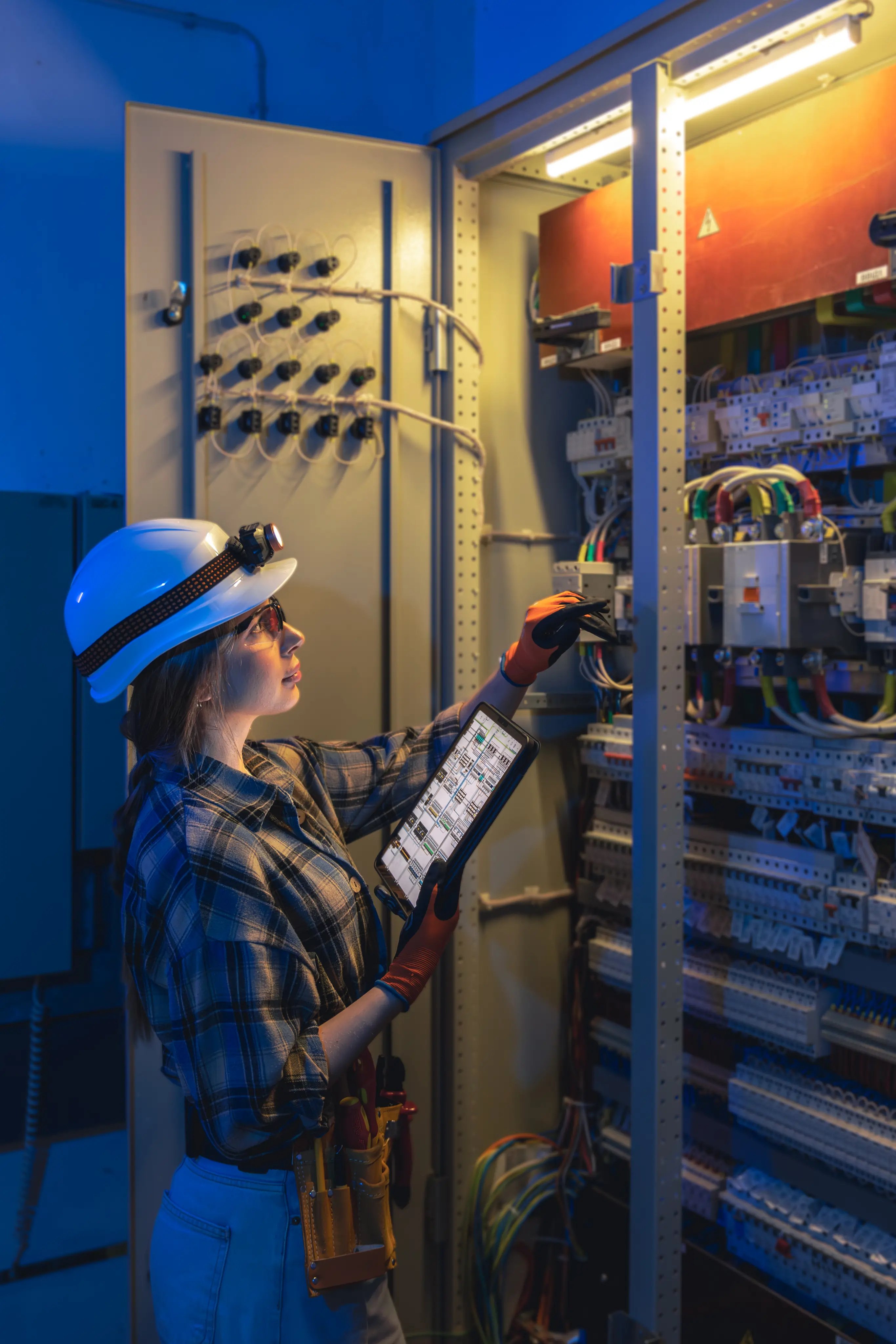
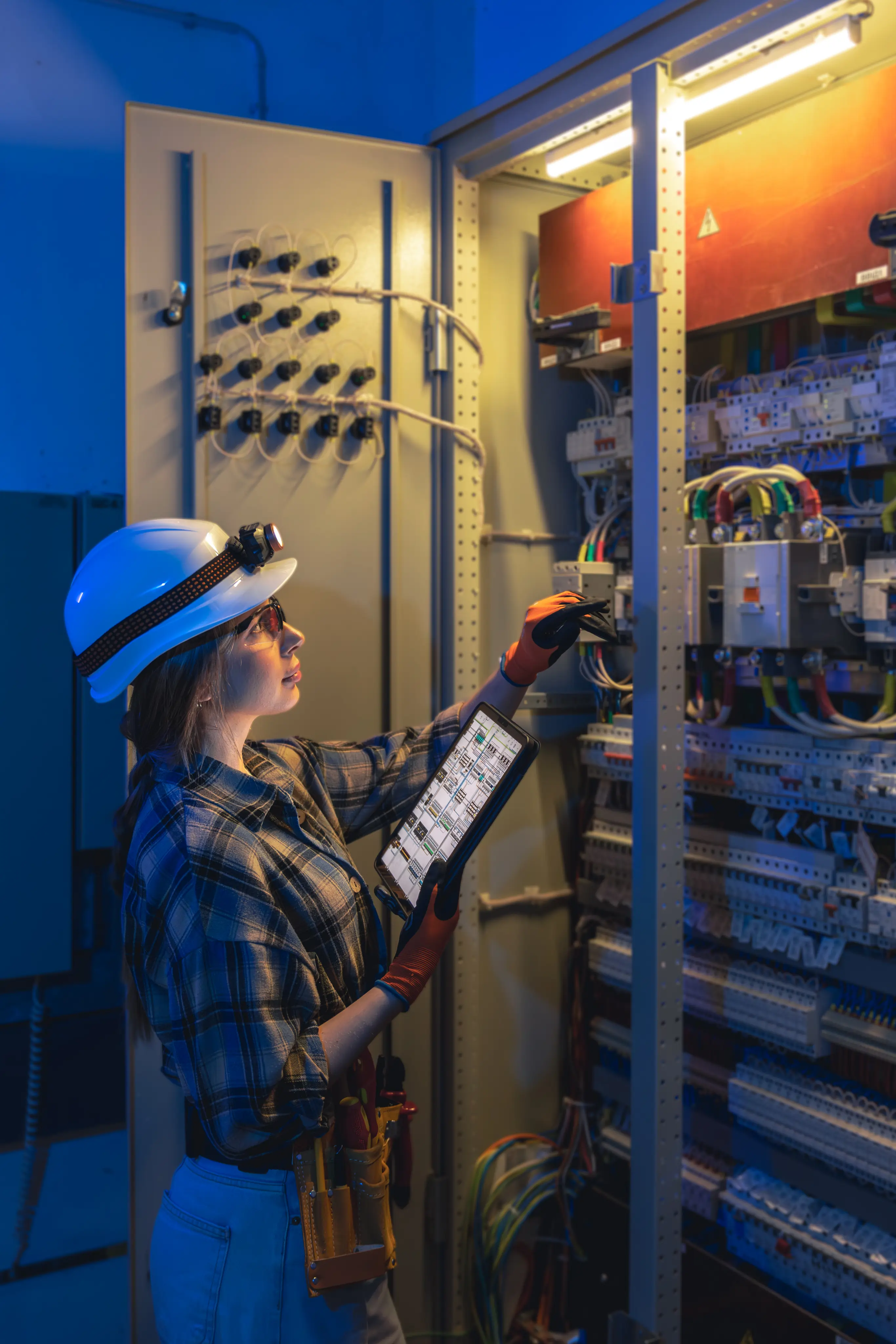
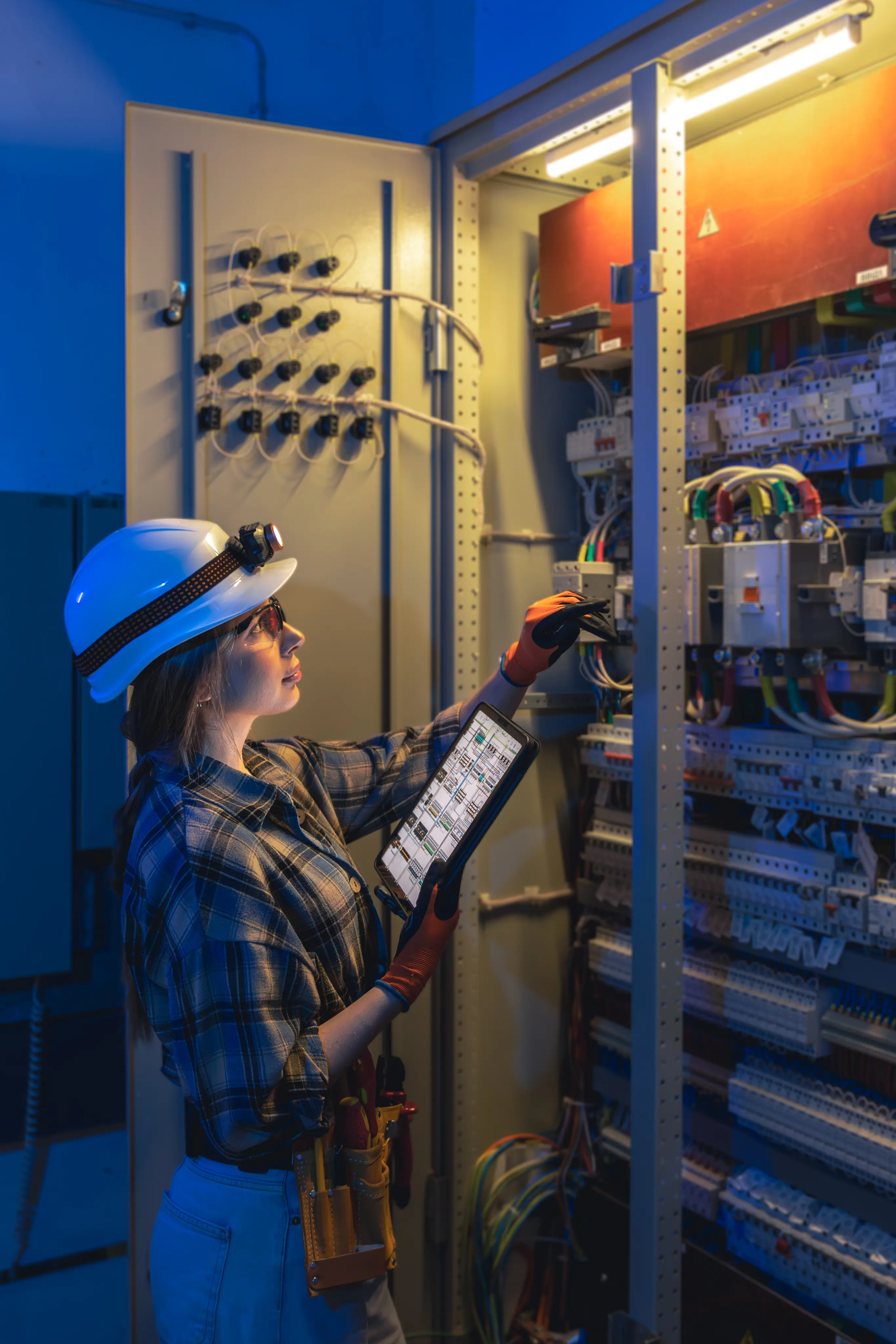
Older panels were often built with purely mechanical protection and no digital visibility into plant power usage. If your team cannot remotely monitor load, voltage, or fault conditions, a retrofit that adds PLC integration and digital metering can modernise the panel's intelligence without a full rebuild. This is one of the most common retrofit requests HyberMach receives from facilities upgrading legacy systems to support automation and remote diagnostics.
4. Load Requirements Have Grown, But Not Beyond Capacity
Facilities expand. New machinery gets added, production lines grow, and load demand increases over time. If your current panel's rated capacity still has headroom, but existing feeder circuits and breaker slots are fully utilised, an expansion retrofit, adding new sections or reconfiguring breaker allocation, can accommodate growth without a capacity-driven full replacement.
This is different from a situation where total load has genuinely exceeded what the panel and its incoming supply can safely handle. In that case, retrofit is not appropriate, and a properly sized new PCC or MCC becomes necessary.
5. Nuisance Tripping Has a Traceable, Fixable Cause
Frequent, unexplained trips are frustrating, but they do not automatically mean the panel has failed. If root cause analysis identifies a specific issue, an undersized breaker for actual load, a failing individual relay, or loose termination causing intermittent faults, targeted component replacement resolves the problem. Retrofit becomes the wrong call only when tripping stems from systemic issues like an undersized main incomer or a fundamentally inadequate short-circuit rating across the panel.
When Replacement Is the Right Call Instead
- Enclosure shows corrosion, heat damage, or structural compromise.
- Total facility load has permanently exceeded the panel's design capacity.
- The panel predates current safety and arc flash mitigation standards by a wide margin.
- Repeated retrofits have already been attempted without resolving the underlying issue.
How HyberMach Approaches Retrofit Decisions
Every retrofit assessment starts with an on-site inspection, thermal imaging where relevant, and a review of your facility's current and projected load. This determines honestly whether retrofit will deliver a safe, reliable outcome, or whether replacement is the more responsible recommendation despite the higher upfront cost.
An electrical panel retrofit done correctly extends the useful life of existing infrastructure by years while modernising protection and monitoring. Facilities considering an upgrade should start with a professional assessment rather than assuming either option by default, since the wrong call in either direction carries real safety and cost consequences.