Industrial electricity bills rarely reflect just how much power is consumed. They reflect when it is consumed. Utilities charge higher rates during peak demand hours, and heavy machinery running compressors, pumps, and motors through those windows can inflate a plant's monthly bill significantly, even without a rise in total output.
A solar hybrid power system with intelligent load prioritization addresses this directly. Instead of treating solar as a simple backup source, it actively decides, moment to moment, which power source should carry the load. Understanding how this decision-making works helps plant owners see where the real savings come from.
What Is Load Prioritization?
Load prioritization is the logic layer that sits between your power sources, solar generation, grid supply, and often a diesel generator, and your facility's electrical loads. Rather than blending sources evenly, the system establishes a hierarchy: free, available solar power is drawn first, grid power fills any shortfall, and backup generation activates only when both are insufficient.
This differs from a standard grid-tied solar installation, which simply feeds power into the system without actively managing when each source is used. A properly engineered hybrid controller monitors real-time solar irradiance, battery state of charge, and plant load demand simultaneously, making switching decisions in milliseconds.
How Load Prioritization With Renewable Energy Actually Saves Money
Most industrial utility tariffs include a time-of-use pricing structure, where electricity costs more during specific hours, typically late morning through early evening, when grid demand peaks. These hours often overlap directly with peak solar generation.
By pulling from available solar power first during these expensive hours, a facility avoids the highest per-unit utility rates entirely. Heavy machinery, motors, and compressors run on power that costs nothing to generate once the solar array is installed, rather than power billed at premium daytime rates. Over a full year, this shift alone can offset a meaningful share of a facility's total electricity spend, particularly for operations running double or triple shifts.
Preventing Sudden Power Failures Through Smart Distribution
Beyond cost savings, a well-designed hybrid system improves reliability. Sudden power failures in industrial settings are usually caused by demand spikes exceeding available supply at a given moment, not total generation shortfall. A hybrid controller with proper load shedding logic anticipates these spikes and redistributes non-critical loads before a trip occurs, rather than reacting after the fact.
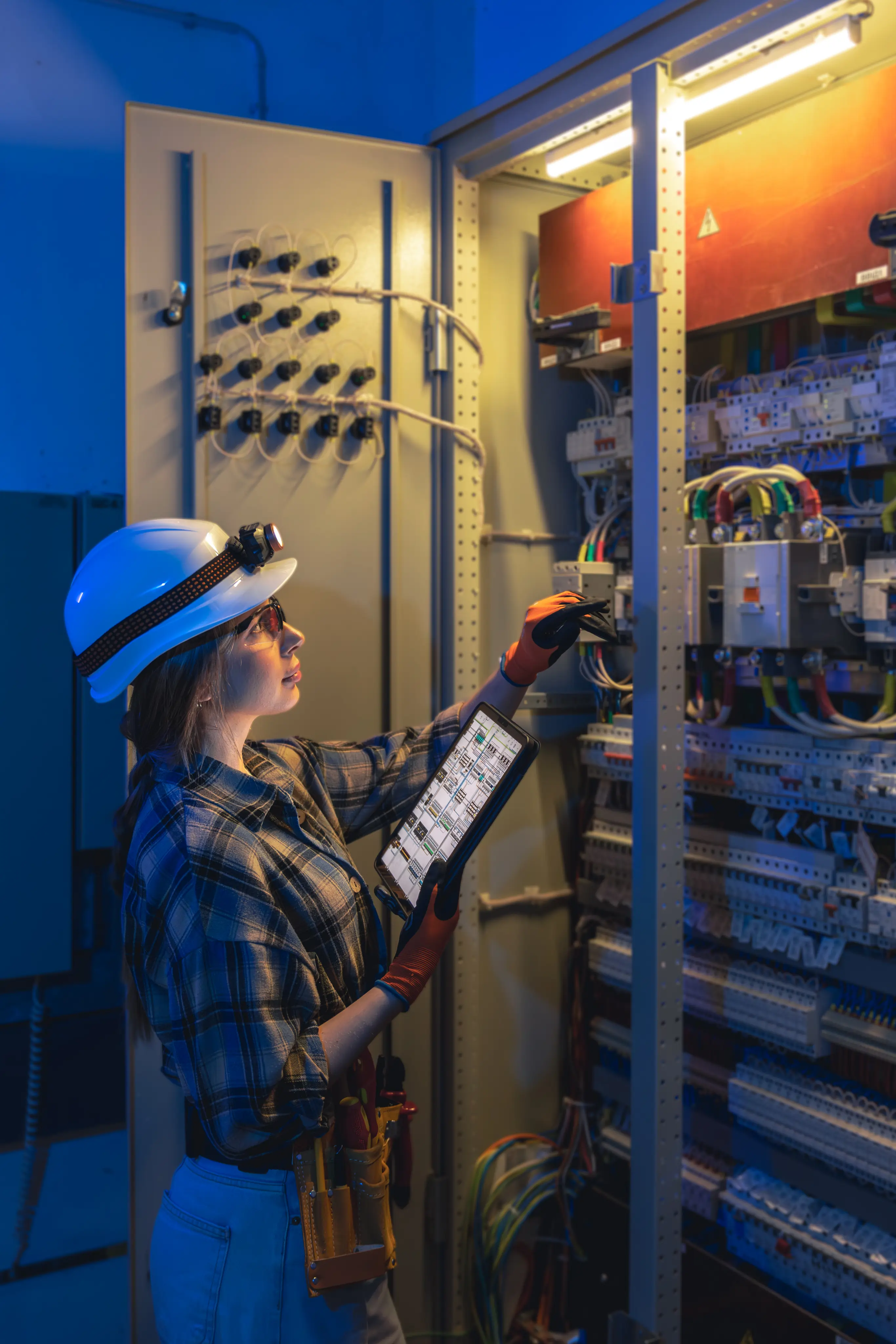
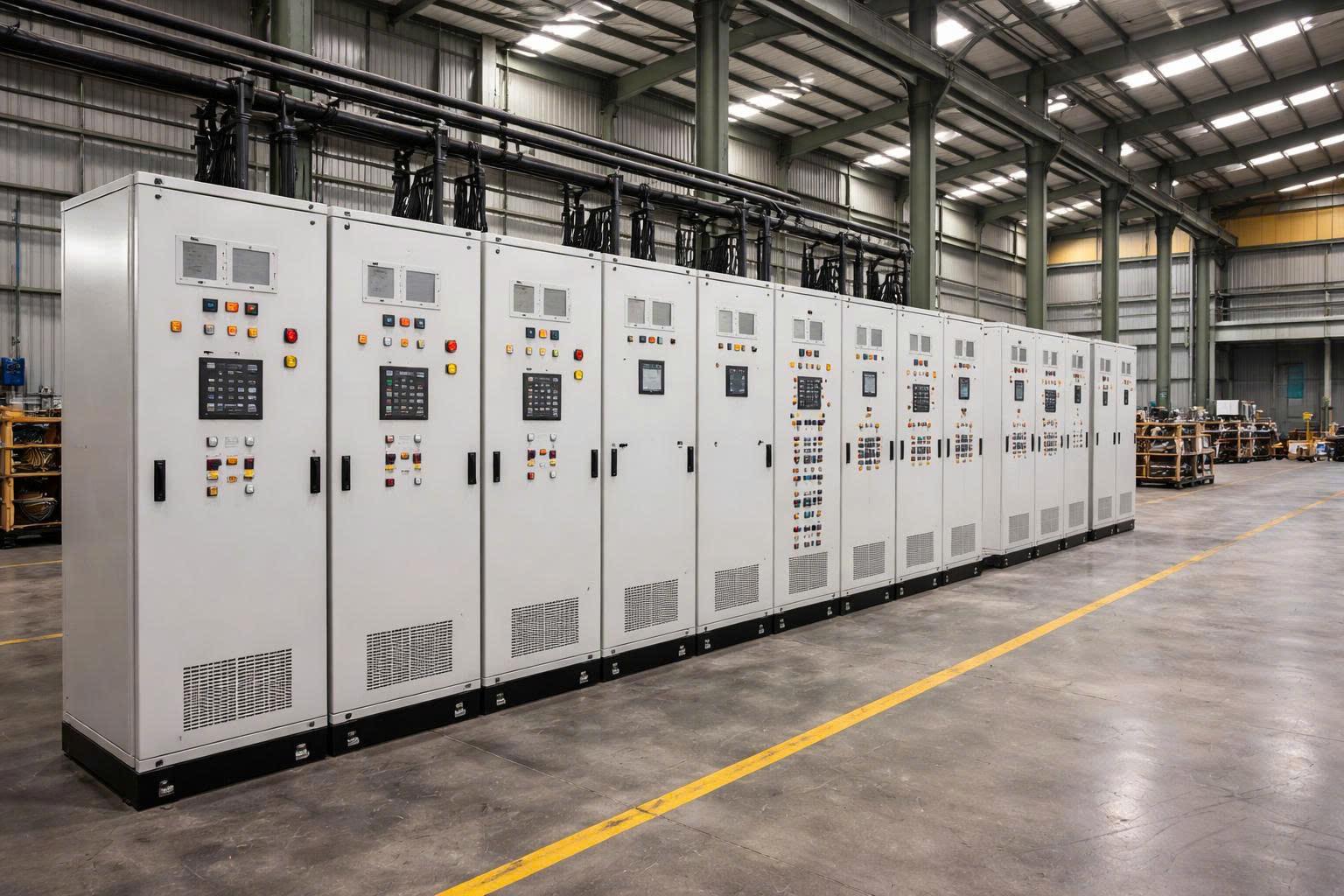
This is particularly valuable for facilities running continuous processes, such as food and beverage production or chemical batching, where an unplanned outage can spoil an entire production run. Distribution boards feeding critical process equipment are wired with priority protection, ensuring they remain powered even if secondary loads are temporarily shed.
What Makes a Hybrid Energy Machine Different From Standard Solar
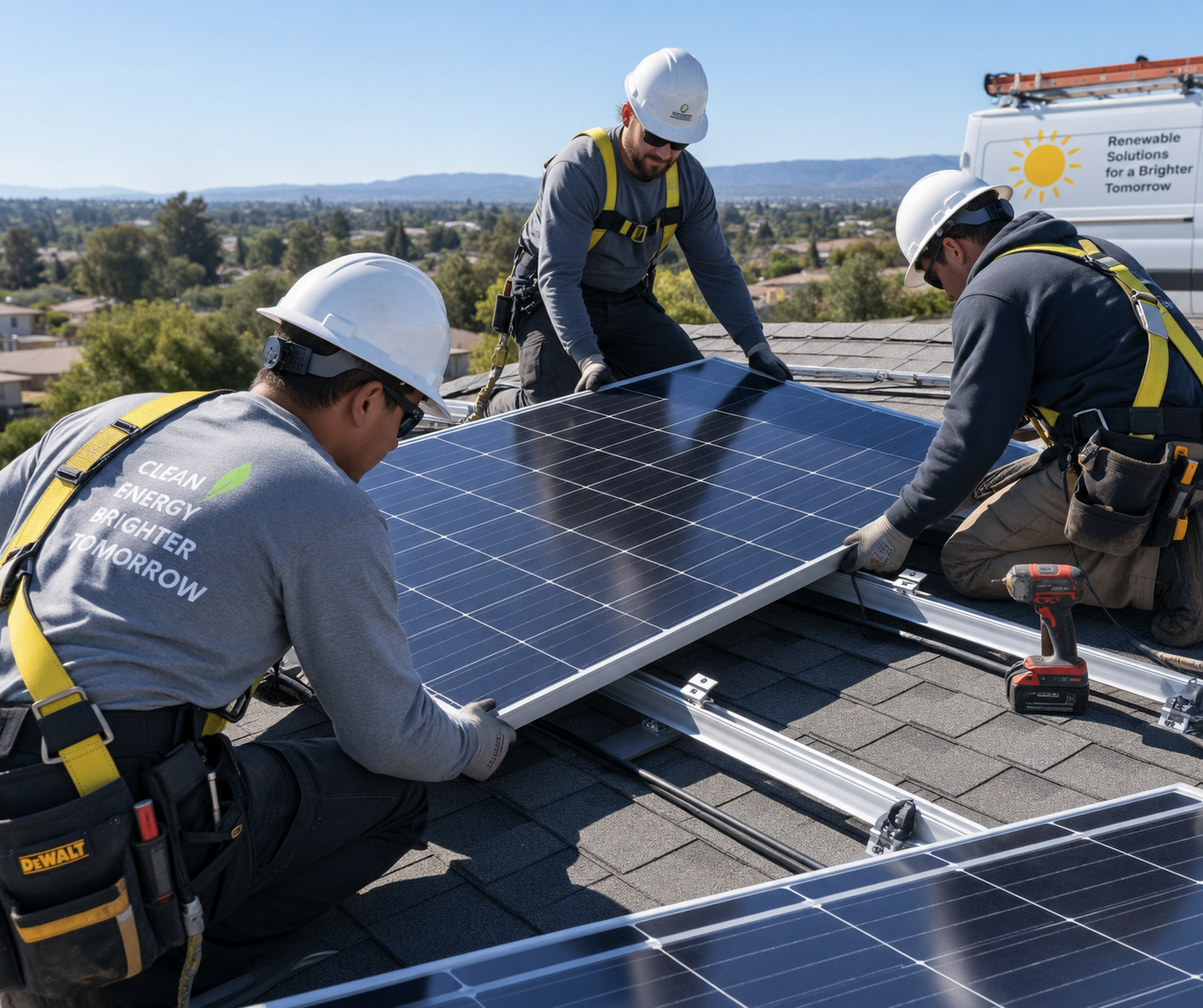
A standard rooftop solar installation generates power and feeds it into the grid or a battery bank, but it does not actively manage how that power interacts with plant machinery. A true hybrid energy machine integrates solar generation, battery storage, grid supply, and load management into a single automated control system, making second-by-second decisions based on live plant conditions.
This distinction matters for industrial buyers evaluating solar quotes. A basic solar package reduces your grid dependency on average, but a hybrid system with load prioritization actively reduces your exposure to the most expensive hours of the day, which is where the majority of realised savings actually come from.
Where Load Prioritization Delivers the Most Value
- Manufacturing plants running motors and compressors through peak daytime hours.
- Food and beverage facilities with continuous processes sensitive to power interruption.
- Water treatment plants with pumps that run near-continuously and benefit from daytime solar offset.
- Agricultural and irrigation operations with high daytime power draw matching solar generation hours.
Getting Started With a Hybrid Energy Assessment
The right system size and configuration depend entirely on your facility's load profile, roof or ground space available for solar, and existing electrical infrastructure. A proper assessment starts with reviewing your utility bills for peak-hour consumption patterns, followed by an on-site load audit.
HyberMach's Hybrid Energy Machine is engineered specifically for industrial and commercial facilities looking to combine solar, grid, and intelligent control into one system. If rising utility costs during peak hours are affecting your bottom line, a load prioritization assessment is a practical first step toward measurable savings.